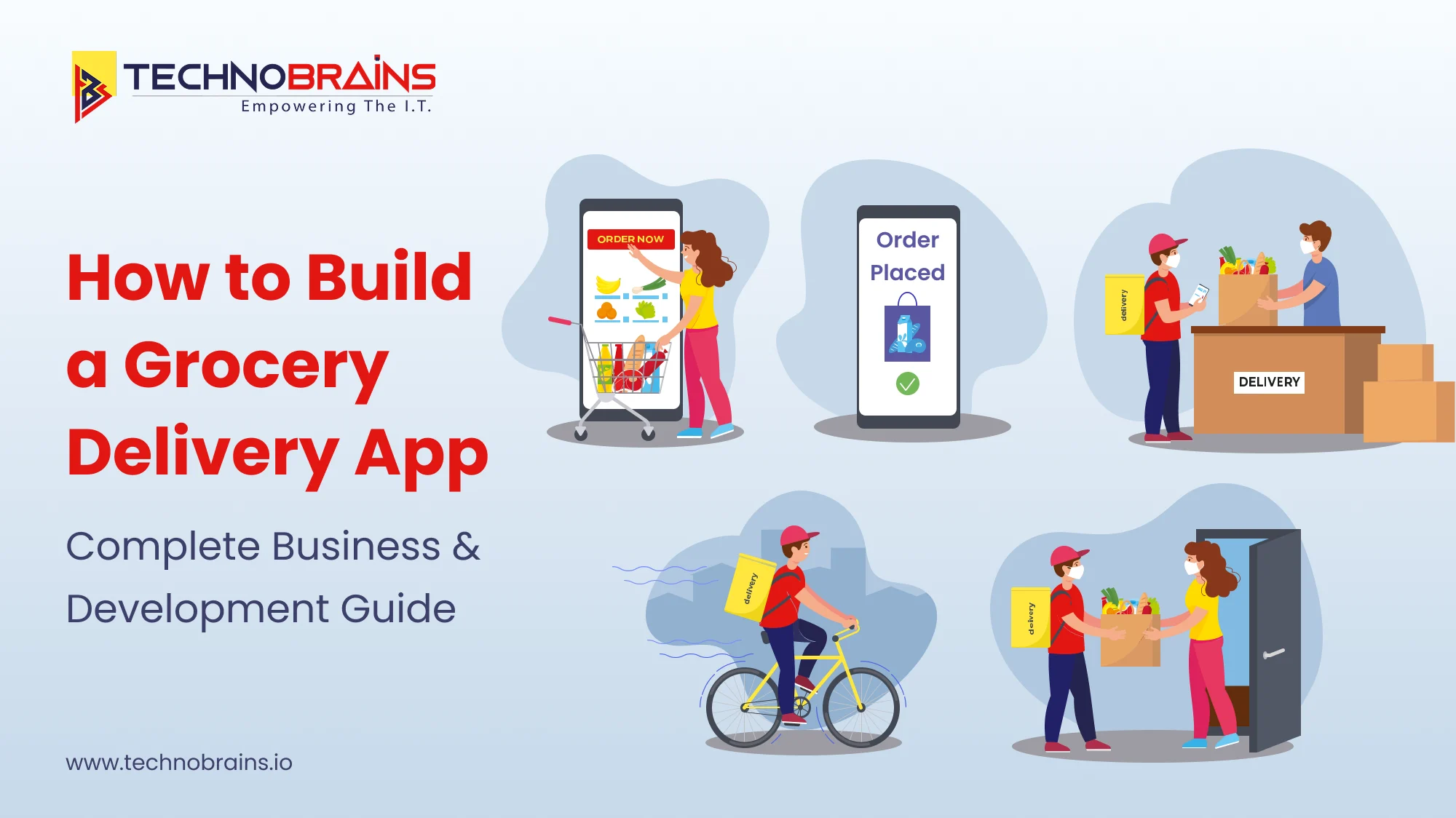
How to Build a Grocery Delivery App: Complete Development Guide
The online grocery market is growing rapidly, with revenues projected to exceed USD 327B by 2026. The increasing demand creates a significant business opportunity for companies that possess the ability to develop grocery delivery applications, which will provide users with convenient, fast, and dependable service. Apps like Instacart and BigBasket have introduced new shopping methods […]
13 Feb, 2026
The online grocery market is growing rapidly, with revenues projected to exceed USD 327B by 2026. The increasing demand creates a significant business opportunity for companies that possess the ability to develop grocery delivery applications, which will provide users with convenient, fast, and dependable service.
Apps like Instacart and BigBasket have introduced new shopping methods through their applications, which enable users to track their orders in real time while receiving instant alerts and making payments effortlessly. Customers now demand fast service together with personalized experiences that include AI-based product recommendations and intelligent shopping list creation.
In this blog, you’ll find a complete guide to grocery application development by detailing necessary features, required tech stacks, and advanced solutions businesses need to build successful applications. The guide teaches you how to create a mobile grocery application, which includes real-time tracking for nearby stores.
Why Building a Grocery App is a Smart Business Move?
Developing a grocery application is a smart strategic business decision because customers demand quick and personalized shopping solutions. The partnership with a reputable grocery app development company enables businesses to implement essential functions like location tracking and various payment methods.
Custom grocery app development enables businesses to create unique brand identities, which help them retain customers while generating revenue through delivery fees and subscription services. The grocery sector provides businesses with major growth potential because they can develop successful apps that help them win back lost customers and stay competitive in a growing market.
Real-World Case Studies: Success with TechnoBrains
TechnoBrains has helped businesses turn their grocery app ideas into reality, delivering apps that are fast, reliable, and user-focused. Here are two examples of successful projects:
Rush App
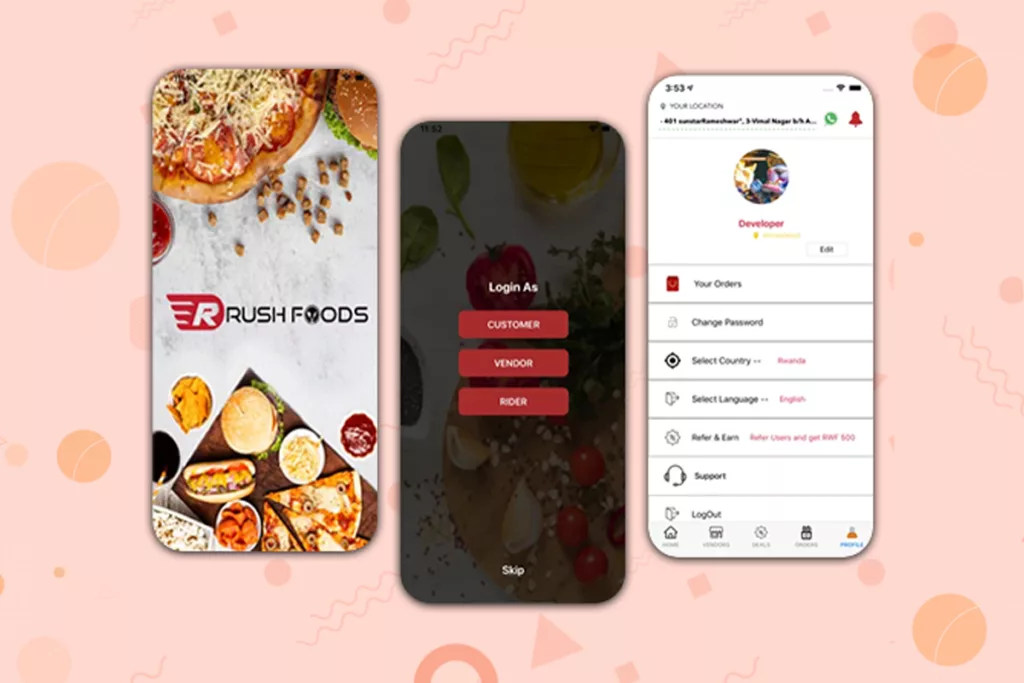
The RUSH app offers customers a quick food delivery service from local restaurants, which enables them to order food with complete efficiency. The Technobrains team developed the platform as a mobile application, which includes real-time order tracking, various payment methods, and a user-friendly interface design. The features of the system lead to high customer satisfaction levels, which result in increased usage of the service.
Golden Chicken
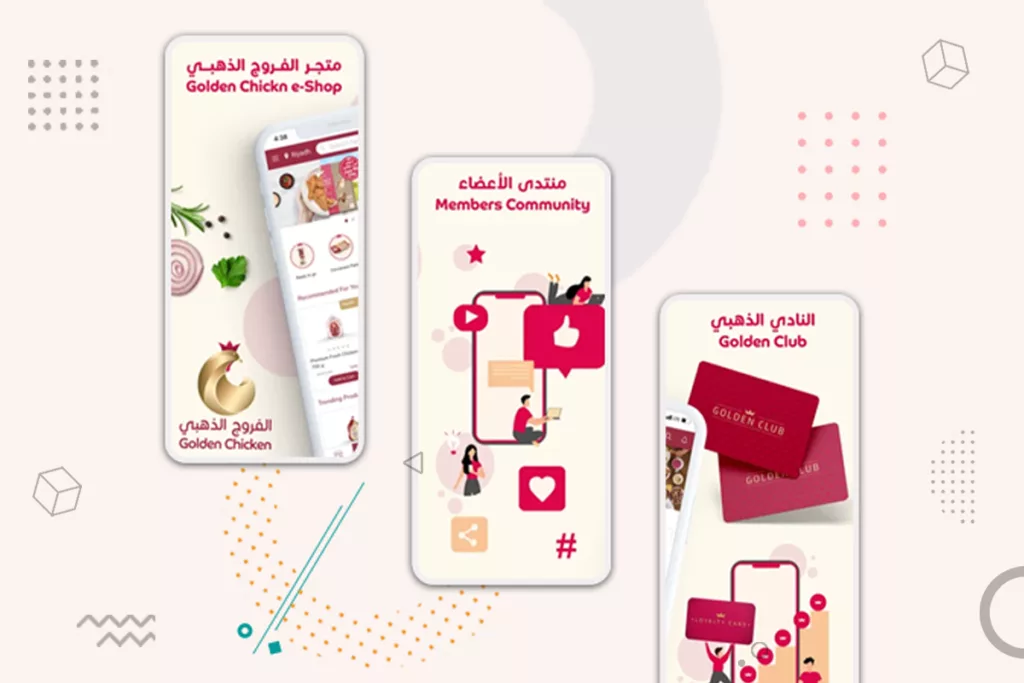
Golden Chicken lets users buy fresh chicken from local farms at prices that match market rates. The team at Technobrains created an app that enables users to manage inventory and receive order alerts, and make secure payments. Golden Chicken provides complete functionality as a dependable option that local shoppers can use to find products that offer top quality and easy access.
Grocery Delivery App Trends 2026
Today, the grocery delivery industry is going through major changes, and businesses that track these developments will achieve better results in acquiring customers while establishing sustainable business growth.
Expansion of On-Demand Delivery Services
Consumers increasingly expect faster product deliveries than ever before. On-demand grocery delivery applications effectively address this expectation, thereby enhancing customer satisfaction and operational efficiency.
Emergence of Local and Niche Grocery Applications
Applications designed to support local retailers and specialized markets allow customers to experience personalized shopping journeys, which results in increased brand loyalty. The development of a well-structured user interface (UI) and user experience (UX) design creates user paths that help users to maintain their engagement with the system over time.

Integration of Real-Time Tracking and AI-Driven Recommendations
Modern shoppers value transparency in their purchases along with smart product suggestions. The implementation of real-time tracking systems together with artificial intelligence-powered product recommendations brings customers increased convenience, which leads them to make additional purchases. Professional grocery delivery app development services provide businesses with complete system integration that achieves maximum operational capacity and outstanding system efficiency.
Types of Grocery Delivery Apps
Selecting the right app model is an essential first step before beginning development. The various types of solutions provide support to distinct business objectives and customer requirements, and future growth strategies of organisations.
Single-Store Grocery Apps
These applications enable grocery businesses to manage their entire operations because they provide complete control over product offerings, pricing policies, and customer information. The majority of businesses choose this approach as their first step when they want to create custom grocery applications.
Multi-Store Aggregator Apps
These platforms provide a collection of grocery stores, which enables users to evaluate different stores while making purchases through a single platform. A professional grocery app developers usually creates these applications.
On-Demand Grocery Delivery Apps
This system enables customers to place orders that the business will deliver immediately while providing customers with live delivery status information. The system works effectively according to the guidelines established for developing on-demand grocery applications.
Marketplace Grocery Apps
These marketplace applications create a unified platform that enables vendors, customers, and delivery partners to interact with each other. This model is widely used in advanced grocery delivery app development services.
Grow Your Grocery Business Online
Create an app that keeps customers coming back and boosts your revenue.
Build Your App.
Essential Features of Grocery Delivery Apps
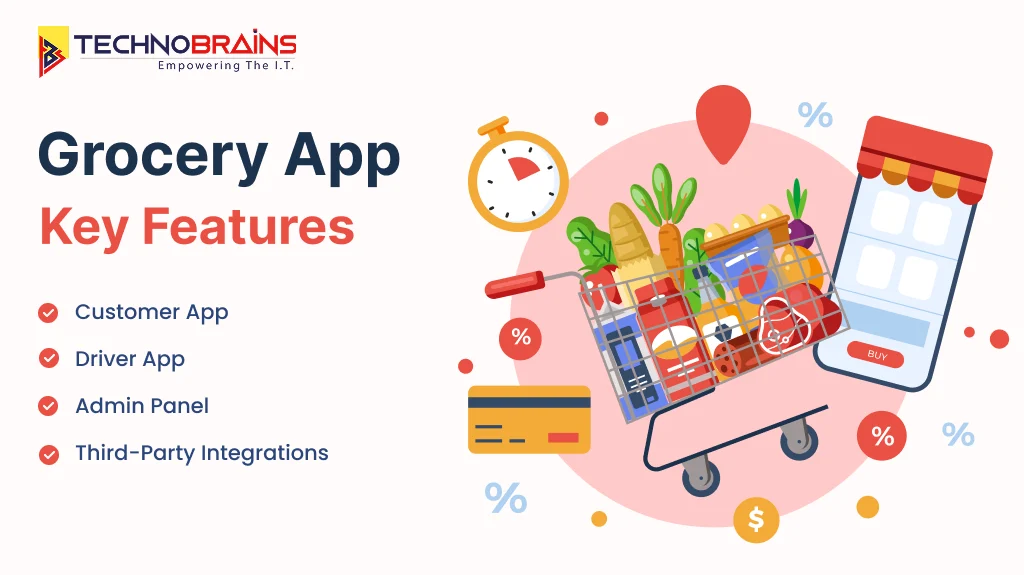
A successful grocery delivery app requires developers to establish precise application features. The system capabilities enable efficient business operations while delivering optimal user experiences and supporting future growth through cross-platform app development that targets both Android and iOS users.
Customer App Features
A customer-facing app plays a major role in user engagement and retention. These features are essential when planning how to build a grocery delivery app that users trust and return to.
- Advanced product search with filters and smart suggestions
- Simple checkout with multiple payment options
- Real-time order tracking and delivery updates
Delivery Driver App Features
A dedicated driver app ensures timely deliveries and efficient order handling. It supports businesses following an on-demand grocery app development guide for faster fulfillment.
- Route optimization for quicker deliveries
- Order status updates with instant alerts
- Offline access for uninterrupted delivery flow
Admin Panel Features
The admin dashboard controls the entire system from one place. It is a critical component of professional grocery delivery app development services.
- Centralized inventory and order management
- Sales analytics and customer insights
- Pricing, commissions, and revenue control
Third-Party Integrations
Integrations improve performance, security, and communication across the platform. Choosing the right tools is key to scalable custom grocery app development.
- Secure payment gateway integrations
- Maps and navigation services for tracking
- SMS, email, and push notification tools
5 Key Steps to Build a Successful Grocery Delivery App
Creating a grocery delivery mobile app needs careful planning and the right technical approach. Following these five steps ensures your app delivers a smooth user experience, supports operations efficiently, and drives business growth from concept to launch.
Business Analysis and Requirement Definition
The team should conduct a full analysis to determine business goals, user groups, and operational needs, which will help them define the exact boundaries for developing the grocery delivery application.
Experience Planning and Interface Design
The team plans to create navigation systems together with operational pathways, which will improve user experience and digital grocery platform access for all users.
Core Development and Feature Implementation
In their initial development stage, the team uses iOS application development to build essential system functions that handle product catalogue management, order processing, and secure payment transactions.
Testing, Performance, and Security Validation
The team must perform extensive testing to establish system performance testing across multiple devices and to verify all security measures needed for data protection and transaction security.
Deployment, Scaling, and Ongoing Optimization
The team plans to execute the deployment process while they keep track of system performance through their automatic system monitoring, and they will use this data for ongoing system improvements and business growth.
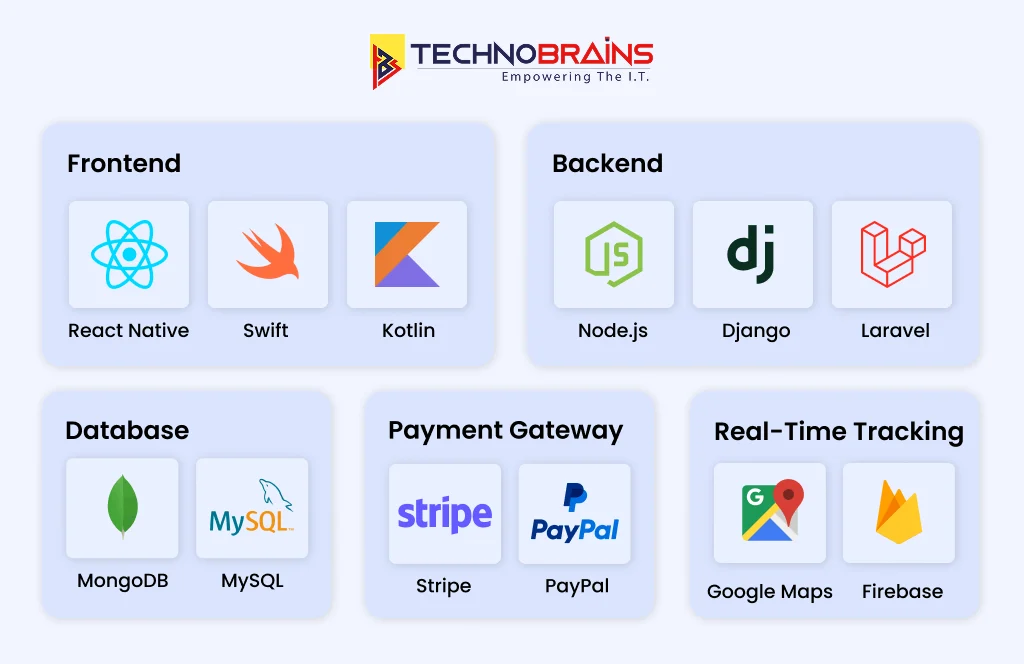
Technology Stack for Grocery Apps
Creating a mobile grocery delivery application requires selecting appropriate technology components to achieve optimal system performance, dependable operation, and future user growth. The system provides users with continuous service while securing their payment data and maintaining fast order handling, and upcoming system development and new functionality implementation.
Ready to Launch Your Grocery App?
Turn your idea into a fully functional app with real-time tracking and smart features.
Get Started.
Advanced Features for Grocery Delivery Apps
The grocery delivery app gains significant advantages from its advanced features, which enable businesses to provide customers with seamless shopping experiences while building customer loyalty and maintaining their market competitiveness. The development of these features makes your application operational and creates a user-friendly experience that supports business growth.
AI-Powered Product Recommendations
Your grocery app should incorporate AI-based recommendation systems, which evaluate user behavior and past purchases to determine products that are currently fashionable. The system improves user satisfaction, which leads to more customers making repeat purchases.
Personalized Dashboards & Smart Shopping Lists
Our grocery delivery app development services feature the creation of personalized dashboards and smart shopping list features. The system enables users to monitor their preferred products while they create automatic purchases and receive customized recommendations, which boost their user experience.
Dynamic Pricing & Promotions
Your custom grocery app should include both dynamic pricing systems and special discount promotions. The combination of flexible pricing options and immediate discount offers helps businesses attract new customers while motivating existing customers to make additional purchases.
Subscription Models & Loyalty Programs
Add subscription plans and loyalty rewards as part of on-demand grocery delivery app development. Regular deliveries and reward points create predictable revenue streams and foster long-term customer loyalty.
Cost of Grocery Delivery App Development
Understanding the cost of developing a grocery app helps businesses plan their budget and choose the right development approach. Costs vary based on app complexity, features, platform, and location of the development team. Here’s a clear breakdown:
| Cost Factor | Description | Estimated Cost (USD) |
|---|---|---|
| MVP Development | Basic app with essential features like product catalogue, cart, checkout, and real-time tracking. | 15,000 – 25,000 |
| Full-Featured App | An advanced app with AI recommendations, personalized dashboards, loyalty programmes, and dynamic pricing. | 40,000 – 70,000 |
| Platform Choice | Native Android, iOS, or cross-platform affects cost and timeline. | 10,000 – 20,000 |
| UI/UX Design | Custom designs, interactive interfaces, and smooth navigation for a seamless shopping experience. | 5,000 – 12,000 |
| Third-Party Integrations | Payment gateways, maps, analytics, communication tools, and POS system integration. | 3,000 – 8,000 |
| Maintenance & Updates | Ongoing support, including bug fixes, security updates, and feature upgrades. | 5,000 – 15,000 per year |
Monetization Strategies for Grocery Apps
Grocery apps earn via delivery fees, store commissions, subscriptions, and in-app ads, while loyalty programmes boost engagement. Robust custom software development ensures these monetisation features run smoothly and scale effortlessly.
Delivery Fees and Commissions
The business plans to charge a small delivery fee for every order and create commission-based partnerships with its affiliated stores. This method provides the business with dependable income, which enables it to offer customers competitive pricing.
Subscription Services
The company intends to launch premium subscription packages that provide users with free delivery services, fast service, and special discounts. The subscriptions create customer loyalty while providing the business with stable revenue streams, which occur at predictable times.
Advertising and Partnerships
The company aims to partner with local brands and retail stores to show their promotional materials on the application. The business generates additional income through sponsored listings and banner advertisements, which do not interfere with the user experience.
Premium Services and Add-ons
The company will offer customers advanced features, which include fast delivery services and gift-wrapping options, and pre-selected grocery packages. The new features will help businesses to increase their customer base because they deliver more beneficial and efficient solutions.
Dynamic Pricing and Seasonal Offers
The company plans to implement smart pricing systems that modify prices based on changes in customer demand and their location, and during festive times. The approach enables businesses to maximize their profit margins through strategic customer acquisition methods, which use current market promotions.
Conclusion
Grocery delivery apps are changing how people shop by offering greater convenience through simple and efficient delivery systems. Organisations that invest in a well-structured application can provide a seamless shopping journey, strengthen customer loyalty, and drive revenue growth. The system needs three main parts because it depends on both dependable system functions and the ability to track activities in real time, and the system needs to deliver personalized user suggestions through its advanced capabilities.
TechnoBrains, a trusted grocery app development company, uses its eCommerce development expertise to help businesses build applications that are both safe and user-friendly and can grow with their needs. We develop grocery applications by starting with planning and design work, which continues until complete development and maintenance are complete to meet client needs and business goals. The partnership with TechnoBrains allows businesses to create efficient applications that focus on user needs, which helps them compete more effectively in the online grocery market.
Frequently Asked Questions
The development period lasts between 6 and 12 months, which requires 3 to 4 months to develop a basic app and a longer development time for advanced versions that include AI features.
The development expenses depend on the app features, system complexity, and the selected development company. The expense of applications with real-time tracking exceeds that of standard tracking solutions.
Single-store apps enable businesses to maintain complete control over their brand, whereas aggregator apps help businesses achieve rapid expansion into new markets.
Real-time tracking systems use GPS and map services to deliver immediate tracking information.
Startups find success by delivering products to specific market segments while providing tailored solutions. The combination of AI-driven functions with a mobile app enables businesses to launch their products rapidly.
Grocery apps generate revenue through delivery fees, commissions, subscriptions, in-app ads, and premium services.
The key functions of the system offer advanced search capabilities with barcode scanning & secure payment methods, personalized dashboard views, and delivery tracking functionality.